
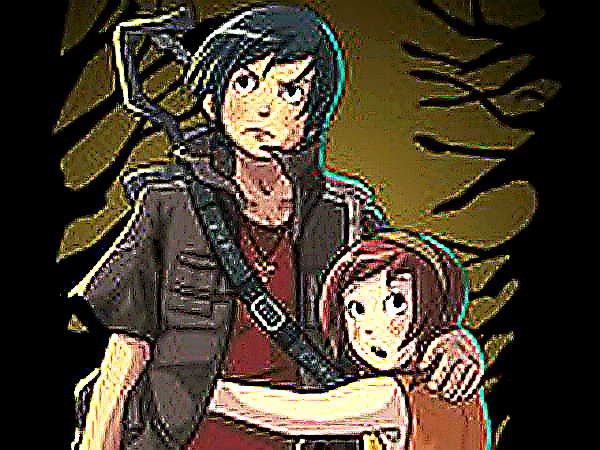
Twilight Town Sibling Search
Reviews
Twilight Town Sibling Search succeeds where many narrative games fail: it builds genuine emotional stakes without relying on violence. The puzzle design respects player intelligence, requiring observation rather than trial-and-error. Stealth sections create tension without becoming frustrating. The world tells its story through small details—a child's drawing on a fridge, a half-packed suitcase. This approach makes discoveries feel earned. While the runtime is modest, the experience stays with you. For players seeking a meaningful, non-violent adventure with real heart, this is an easy recommendation.
About this game
Core Premise and Emotional Hook
Twilight Town Sibling Search places players in the role of a young adult whose ordinary evening takes an unexpected turn. As unusual events begin unfolding around 5 PM, the protagonist realizes his younger sister has vanished. The narrative focuses on the lengths one will go to protect family, using environmental storytelling and subtle character moments to build emotional investment. Unlike many games in the survival genre, this title deliberately avoids graphic imagery, instead relying on atmosphere and tension to engage players.
Stealth and Puzzle Mechanics
Direct conflict is not an option here. Players must observe patrol routes, identify safe hiding spots, and time their movements carefully. The environment becomes a puzzle in itself—locked doors require finding keys, dark areas demand light sources, and certain paths only open after solving pattern-based challenges. Success depends on patience and attention to detail rather than quick reflexes. Each solved puzzle reveals more about the town's transformation and the sister's possible location.
World Design and Atmosphere
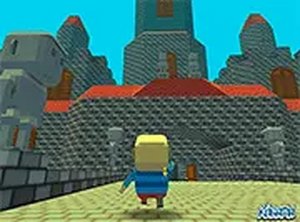
The setting shifts from familiar suburban streets to increasingly strange versions of the same locations. Familiar landmarks take on new meanings as the story progresses. Lighting plays a key role, with shadows offering safety and well-lit areas presenting greater risk. Sound cues alert players to nearby movement, encouraging careful listening. The world feels lived-in, with details like scattered personal items and changed room layouts hinting at what happened to the residents.
Progression Through Discovery
Rather than leveling up or acquiring new abilities, characters grow through understanding. Notes, environmental clues, and occasional interactions with other survivors piece together the larger mystery. Revisiting earlier areas after learning new information often reveals previously inaccessible content. This non-linear approach rewards thorough exploration and encourages players to think about how different pieces of information connect. The game respects the player's intelligence by trusting them to draw their own conclusions.
Emotional Storytelling Without Violence
The narrative avoids typical action tropes, focusing instead on the quiet moments between challenges. Flashbacks to everyday life before the events add depth to the sibling relationship. The game demonstrates that compelling stories can exist without combat or graphic scenes. Players who appreciate character-driven plots will find the emotional beats resonate strongly. The ending ties together themes of responsibility, courage, and the strength found in family bonds.





Comments
Sign in to leave a review
No account? Create one
No comments yet.