
3D Cube Merge Puzzle
Reviews
3D Cube Merge Puzzle transforms the classic 2048 formula into a dynamic 3D experience. The physics-based cubes add a layer of unpredictability that keeps each game fresh. Vibrant graphics and simple controls make it accessible for all ages. Strategic planning is rewarded, and the score tracking adds replay value. A great choice for puzzle fans seeking a new challenge.
About this game
Game Introduction
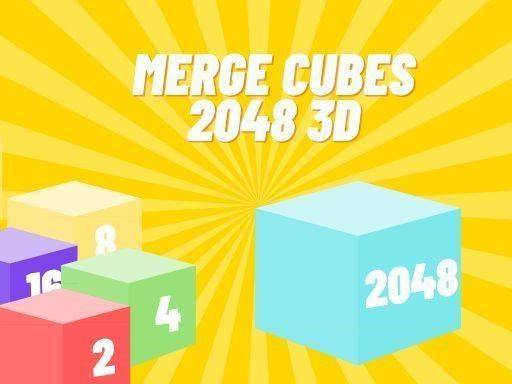
3D Cube Merge Puzzle is a family-friendly puzzle game that brings the classic number-merging concept into a three-dimensional world. Instead of flat tiles, players interact with colorful cubes that have realistic physics. These cubes can roll, bounce, and collide as you slide rows, creating a dynamic and unpredictable puzzle environment. The main goal is straightforward: combine cubes with the same number to create higher values, with the ultimate aim of reaching the 2048 cube. The added depth and physical interactions require fresh spatial thinking and adaptive strategies, making each move feel new and challenging. This game is designed for players who enjoy logic puzzles and strategic planning.
How to Play
Players typically swipe on the screen to shift all cubes on the 3D grid. When two cubes with the same number touch, they merge into a single cube with their combined value. The physics-based movement means cubes do not slide neatly; they can bump into others, potentially causing chain reactions or setting up unexpected combinations. Players need to plan their moves carefully to manage space and create larger numbers. The game ends when the grid is full and no more merges are possible. Compete with friends to see who can achieve the highest score and the elusive 2048 cube first.
Game Features
This game includes vibrant 3D graphics that enhance the visual experience. Physics-based cube movement adds realism and unpredictability. Intuitive swipe controls make it easy to play. Strategic number merging challenges your planning skills. Score tracking lets you monitor progress and compare results with others.
Tips for Success
Focus on keeping the grid organized by merging cubes in one area. Avoid spreading cubes too thin across the board. Prioritize creating larger numbers early to free up space. Be mindful of the physics: anticipate how cubes might bounce or collide. Practice regularly to improve your spatial awareness and reaction time. Stay patient and plan several moves ahead to avoid getting stuck.








Comments
Sign in to leave a review
No account? Create one
No comments yet.