
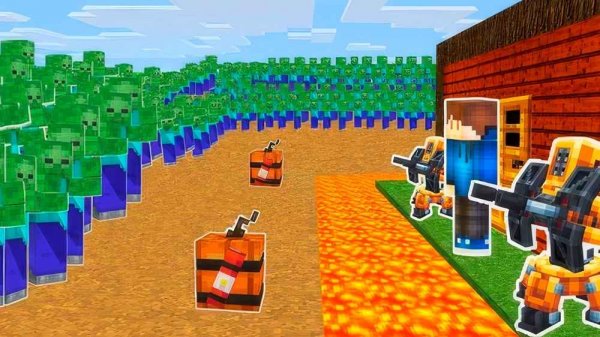
Fortress Command: Tactical Defense
Reviews
Fortress Command: Tactical Defense delivers a satisfying blend of planning and action. The need to balance tower placement with hero upgrades creates meaningful decisions each wave. The endless format means you can always push further, and the gradual difficulty ramp keeps things engaging. Controls are simple, letting you focus on strategy. It is a solid choice for anyone who enjoys tactical defense games without overly complex mechanics.
About this game
Defense Planning Basics
In Fortress Command: Tactical Defense, your main task is to protect a central area from advancing foes. You place defensive structures along expected paths to slow down and defeat enemies before they reach your position. Each structure has a specific role, such as dealing damage over an area or slowing movement. Choosing where to put them matters a great deal, as enemies often follow set routes. The game encourages you to think ahead and adjust your layout as new threats appear.
Hero Progression and Upgrades
Your hero is a key part of the defense. By defeating enemies, you collect currency that can be spent to improve the hero's abilities. Upgrades might increase attack power, speed, or add special effects. Deciding when to invest in upgrades versus building new towers is a constant trade-off. A well-upgraded hero can handle tougher enemies, but neglecting your defenses can leave gaps. The progression system rewards careful planning and prioritization.
Wave Structure and Difficulty Curve
The game uses an endless wave format, meaning there is no final level. Each wave introduces more numerous or stronger enemies, requiring you to adapt. Early waves serve as a warm-up, allowing you to establish a basic defense. Later waves test your setup with faster or more resilient foes. This gradual increase in difficulty keeps the gameplay fresh and encourages experimentation with different tower combinations and upgrade paths.
Controls and Accessibility
Fortress Command: Tactical Defense is designed to be easy to pick up. On desktop, you use keyboard keys for movement and mouse clicks for actions. On mobile devices, touch controls handle aiming and placement. The interface is straightforward, with clear indicators for resources and wave progress. This simplicity allows you to focus on strategy rather than complex inputs, making the game suitable for quick sessions or longer play periods.
Strategic Depth and Replayability
Because enemy compositions change each run, no two games play exactly the same. You might try a layout focused on slowing enemies one time and a damage-heavy setup the next. The need to balance tower placement, hero upgrades, and resource management creates layers of decision-making. This variety gives the game strong replay value, as you can always try a new approach or refine your previous strategies.






Comments
Sign in to leave a review
No account? Create one
No comments yet.