
Wild Grid Match
Reviews
Wild Grid Match delivers a straightforward tile-matching experience with a few thoughtful twists. The two-turn connection rule adds a layer of spatial reasoning beyond simple pair finding. Randomized rounds keep replay fresh, while the absence of timers makes it welcoming for casual players. The bright animal icons and unobtrusive audio support a relaxed pace. However, those seeking fast action or competitive scoring may find it too gentle. It best suits puzzle fans who value planning over speed.
About this game
The Core Matching Mechanic
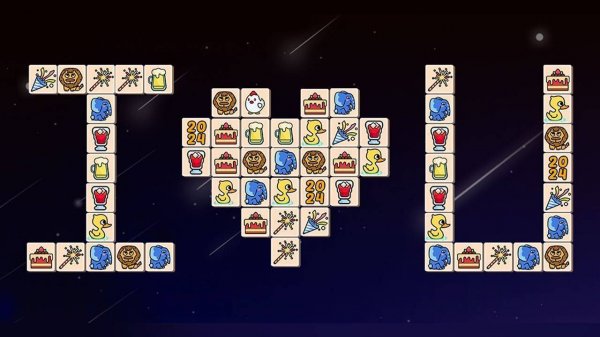
Wild Grid Match presents a board filled with animal icons. Your goal is to remove pairs of identical images by drawing a connection between them. That line can run straight or make one or two 90-degree turns. Each successful pair adds to your score. The real challenge is anticipating how each removal affects the remaining tiles—a blocked board ends the round.
Visual Clarity and Relaxed Atmosphere
Bright, cheerful graphics with distinct animal faces make scanning the board easy. Calm background visuals and unobtrusive audio create a relaxed mood, suitable for short breaks or longer sessions. The clean presentation keeps focus on the puzzle itself, without distractions.
Randomized Rounds and Natural Difficulty
Every new round generates a different tile arrangement, so you cannot memorize a fixed layout. This randomness provides consistent replay value. As the grid becomes more crowded, difficulty rises naturally, demanding sharper focus and quicker pattern recognition. There are no time limits or penalties for slow play, letting you proceed at your own pace.
Strategic Approaches for Better Results
Start by surveying the entire board to spot potential matches. Clearing tiles near edges or corners first often opens new pathways. Isolated tiles may require a two-turn connection, so plan accordingly. With practice, you develop a mental map of tile positions, which speeds up matching and helps train visual memory and pattern recognition.
Compatibility
FAQ
Comments
Sign in to leave a review
No comments yet.










Editorial Notes